09/07/2026

In photography, it’s easy to focus on what’s most visible: the camera, lenses, or filters. Meanwhile, as landscape photographer Jan Ulicki points out, it is the memory cards that truly “store the entire body of our work.”
In everyday work, what matters most isn’t the numbers printed on the packaging, but the confidence that your gear will perform when it needs to. Landscape photography is a demanding field—sometimes you wait hours for that one shot, and some locations can only be reached on foot, carrying a heavy backpack full of equipment. Early wake-ups before dawn or staying up all night to catch the northern lights are also part of the process.
With that level of effort and commitment, it’s simply not worth risking that all of it could go to waste.
“For me, the foundation is reliability and resistance to conditions. If a card can’t keep up with writing speeds or simply fails, the entire shoot can be lost,” says Jan Ulicki.
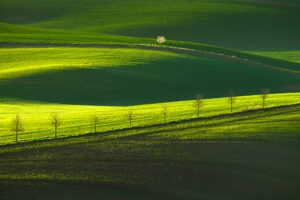


So how do you choose a card that truly gives you peace of mind? It’s worth paying attention to a few key factors:
- Minimum write and read speeds – high maximum speeds are now standard, but real stability depends on how the card performs under sustained use.
- Certifications – on the CompactFlash Association website, you can check whether a card has been certified for consistent performance. It’s a good way to verify that a brand delivers on its technical promises.
- Warranty and brand policy – long or lifetime warranties and data recovery options provide an extra layer of protection for your work.
Exascend cards are known for stability confirmed by VPG certifications. The company also manufactures and services its products in its own facilities, offering advanced safeguards and data recovery options.
Although memory cards are often treated as a single category, in practice each format serves a different purpose. For a landscape photographer, it’s hard to imagine working with just one type of storage. As Jan Ulicki points out, the right choice depends on your workflow and the gear you use. In his case, each format has a clearly defined role.
Starting with microSD cards—which might seem like a minor accessory but are actually a fully fledged tool:
“Drones have become so common that they’re basically another lens. They allow us to capture perspectives no one has seen before. Of course, these small devices require microSD cards, so you need them for aerial shots.”
SD cards, especially V60-class, remain the sweet spot for many photographers:
“They’re a great balance between speed, stability, and price,” Ulicki explains.
In practice, this means smooth handling of large RAW files, quick buffer clearing, and comfort when shooting bursts or exposure bracketing. Compared to slower cards, the difference is clear—less waiting, more control.
Finally, there are CFexpress cards, designed for the most demanding scenarios:
“With large files and intensive shooting, the difference is very noticeable.”
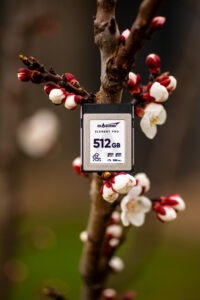
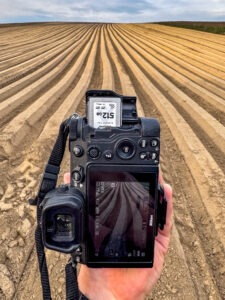
Ulicki notes that his CFexpress card from Exascend virtually eliminates waiting for the buffer to clear, ensuring he doesn’t miss any shots. He particularly recommends them for modern high-resolution cameras and burst shooting. However, if your camera or shooting style doesn’t take advantage of CFexpress performance, a high-quality SD card may be a better choice.
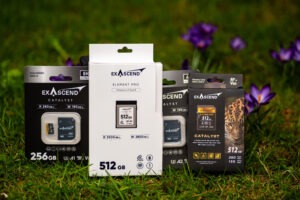
In landscape photography, a memory card has to keep up not only with the camera but also with the environment—rapidly changing light, unpredictable weather, and often demanding logistics.
“I often work in tough conditions—low temperatures, humidity, wind, rain, heat. I put in a lot of time and energy, so my cards have to keep up and maintain their performance,” says Ulicki.
In practice, three things matter most: consistent write performance, no slowdowns, and resistance to external factors. These are what separate “good enough” gear from equipment you can trust in critical moments.
The Exascend cards Ulicki uses are resistant to water, dust, impacts, and shocks, making them suitable for fieldwork. Their CFexpress cards also include proprietary technologies to protect against write errors and overheating.
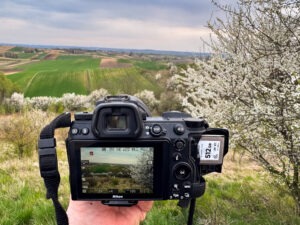
Ulicki points out that one of the most common mistakes photographers make is choosing the cheapest option without considering performance. This can lead to buffer issues, slowdowns, or even data loss.
He experienced this himself:
“I was photographing the rising moon and shooting in burst mode—the files were writing so slowly that the whole camera lagged, and I couldn’t maintain a continuous sequence.”

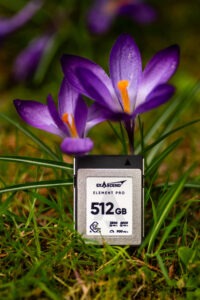
Ulicki appreciates that Exascend delivers on its promises:
“My main card is a CFexpress from Exascend. I haven’t had a single moment where something lagged or failed, and my trust in it keeps growing. Recently it even ended up in wet soil by accident—after cleaning it off, everything still worked perfectly. It passed the test with flying colors.”
He sums up his expectations clearly:
“Good cards saved all my shots—they were captured without any issues.”
That’s ultimately what defines a great memory card: reliable performance that lets you focus on shooting, without worrying about speed or the safety of your images.
Photography: Jan Ulicki (facebook / instagram)
Orginal article written by Fotopolis Editorial Team on April 21st 2026